The philosophy of the programme is to build capacity and develop human capital in the field of public health, to strengthen disease prevention, improve health systems, and safeguard community well-being and population health at local, national, and global levels.
Recent global developments such as rapid urbanization, climate change, increased human mobility, and emerging infectious diseases have generated the urgent need for reliable public health systems that protect populations and support essential services such as healthcare delivery, food security, disaster response, and disease prevention. As health challenges expand across borders, so do the potential consequences of outbreaks and public health emergencies, and the need for a skilled workforce to prevent, detect, and respond to them. However, the pool of trained public health professionals capable of developing policies, leading interventions, and coordinating responses is still inadequate to meet the growing needs worldwide. Governments, healthcare institutions, humanitarian organizations, and international agencies are in high demand for qualified experts to safeguard population health and strengthen healthcare systems.
The focus of this programme is to equip students with the knowledge and practical skills necessary to minimize and prevent public health risks and emergencies. Students will also gain demonstrable abilities to collect, analyze, and present health data, as well as to design and evaluate interventions in a professional and evidence-based manner. Graduates of this programme will understand the impact of public health crises on communities and economies and will be able to identify, implement, and monitor effective strategies to promote health, prevent diseases, and enhance resilience in healthcare systems.
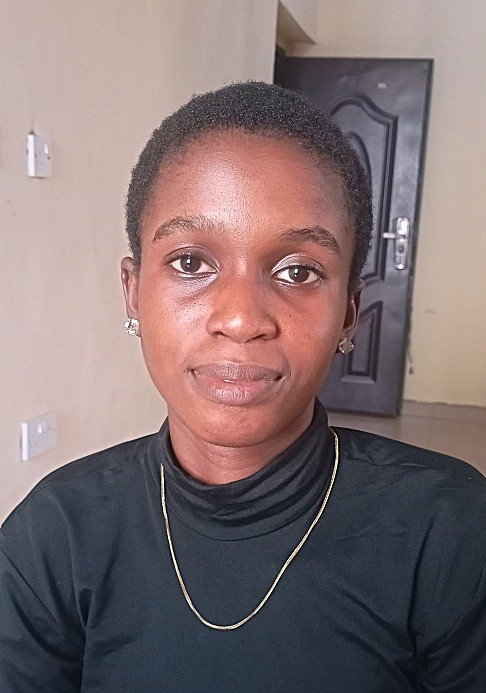
“Being a Public Health student of University on the Niger has been an inspiring experience. The teaching methods are modern and supported by hands-on fieldwork. The interactions with the Lecturers in this department and across the Health Sciences Faculty have broadened my understanding of global and community health challenges. I look forward to gaining the skills needed to improve health systems and promote disease prevention.”

“My experience as a Public Health student at University on the Niger has been transformative. The programme has opened my eyes to the urgent need for effective health policies and disease-prevention strategies. Fieldwork and community outreach have helped me understand real health challenges and how to address them.”

“I’m grateful for the supportive faculty and the practical learning environment. The programme has given me valuable skills in health data analysis, outbreak response, and community engagement. I look forward to becoming part of the next generation of public health leaders who can make a real difference.”

The uniqueness of the public health programme lies in its integration of advanced data analytics for health surveillance, global health security and emergency response, digital epidemiology and outbreak modeling, community health intelligence, public health informatics, and the application of artificial intelligence in disease prediction, resource allocation, and health systems monitoring.